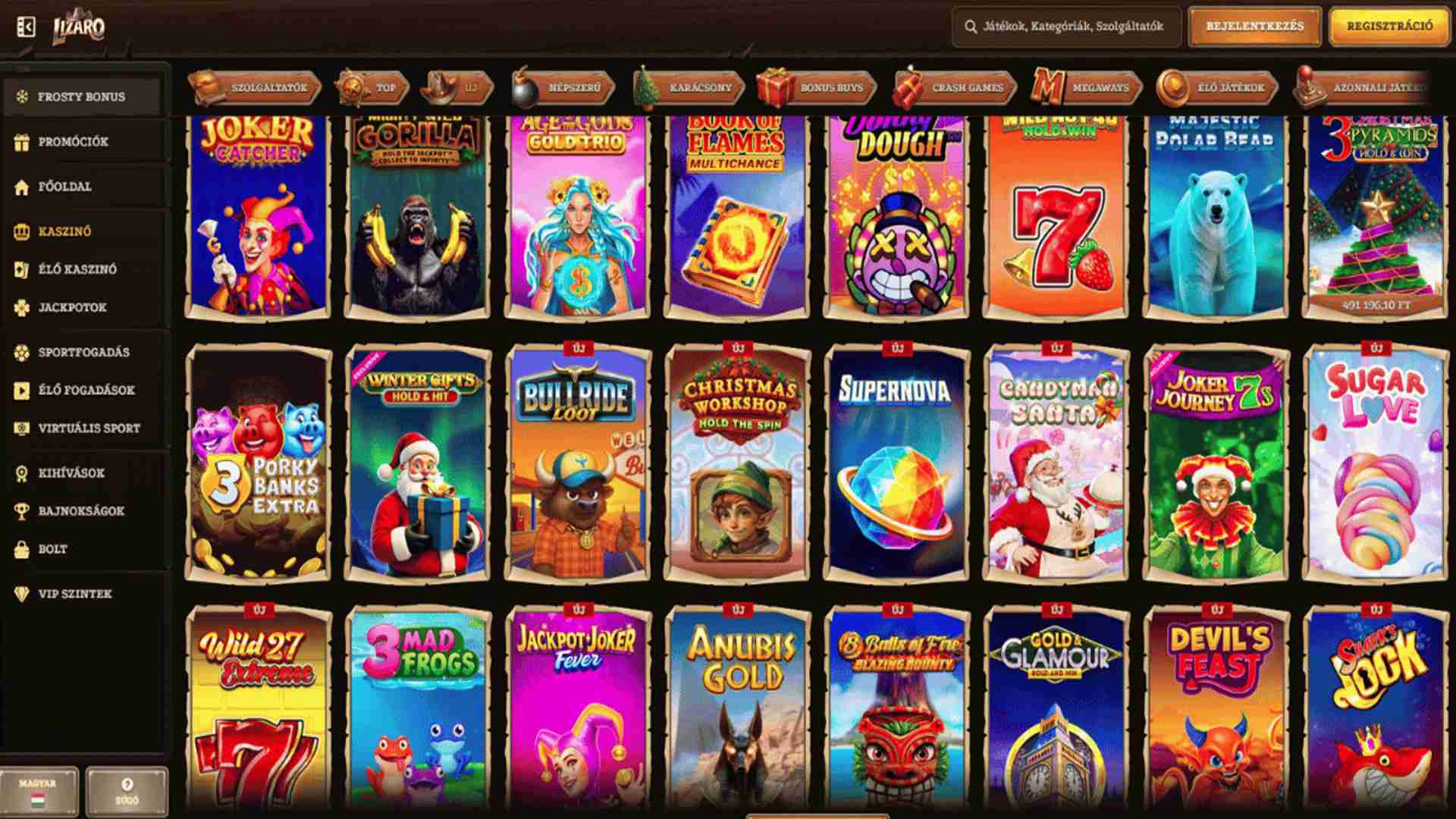
The digital evolution of card games has made the presentation of virtual tables a primary focus for competitive players worldwide. When an application optimizes its visual structure, it significantly reduces the mental friction often associated with managing complex real-time datasets. A thoughtfully engineered layout goes beyond basic aesthetics, transforming how individuals interpret statistical data and execute critical strategic choices during intense sessions.
Reducing Cognitive Fatigue During Extended Gameplay
Spending prolonged hours navigating virtual poker rooms can quickly exhaust a player's concentration if the interface remains cluttered or disorganized. Implementing a clean visual hierarchy ensures that vital details, such as pot sizes and player actions, are instantly recognizable without causing eye strain. This structured clarity allows participants to conserve their mental energy for deep tactical calculations rather than fighting an obstructive system configuration.
Furthermore, minimalist design elements prevent distracting pop-ups and redundant animations from breaking a player's continuous train of thought. By isolating necessary gaming features from unnecessary background decorations, software developers establish a highly balanced environment that supports sustainable focus. Maintaining a calm and predictable digital setup helps enthusiasts avoid sudden cognitive overload and costly tactical mistakes.
Enhancing Action Accuracy and Navigation Speed
In the fast-paced realm of online poker, the physical layout of control mechanisms plays a pivotal role in overall performance. Well-placed bet sizing buttons and customizable keyboard hotkeys enable seamless execution, ensuring that intended actions register immediately without mechanical delays. Eliminating small or confusing navigation menus drastically reduces the likelihood of catastrophic misclicks during high-stakes decisions.
In addition to active hand controls, intuitive lobby navigation allows users to filter game types and manage accounts with minimal effort. Exploring promotional benefits or tracking special incentives like the m88 奖金 platform highlights becomes straightforward when the software infrastructure provides clear menus. A well-organized transition between the main dashboard and active tables ensures a cohesive experience across all platform areas.
Adapting Gracefully to Diverse Screen Sizes
Modern gaming habits require application environments to perform consistently across a wide variety of hardware configurations. High-quality poker programs utilize responsive design structures that scale information smoothly from massive desktop monitors down to compact mobile displays. Keeping card values and betting text legible on small screens allows individuals to sustain their strategic precision regardless of location.
Multi-tabling arrangements especially benefit from dynamic spatial scaling, as grid layouts must remain balanced when several games run simultaneously. Advanced window-management tools prevent active sessions from overlapping awkwardly or obscuring critical turn indicators. This adaptability guarantees that technical limitations never interfere with multi-layered data tracking.
The Core Impact of Long Term Structural Stability
Ultimately, a brilliant layout design must be supported by robust engineering to remain effective over long-term operations. Smooth frame rates and rapid data transfer pathways ensure that visual updates synchronize perfectly with underlying server actions. Selecting a platform built upon reliable backend architecture protects players from sudden lag spikes and disruptive disconnected screens during critical rounds.