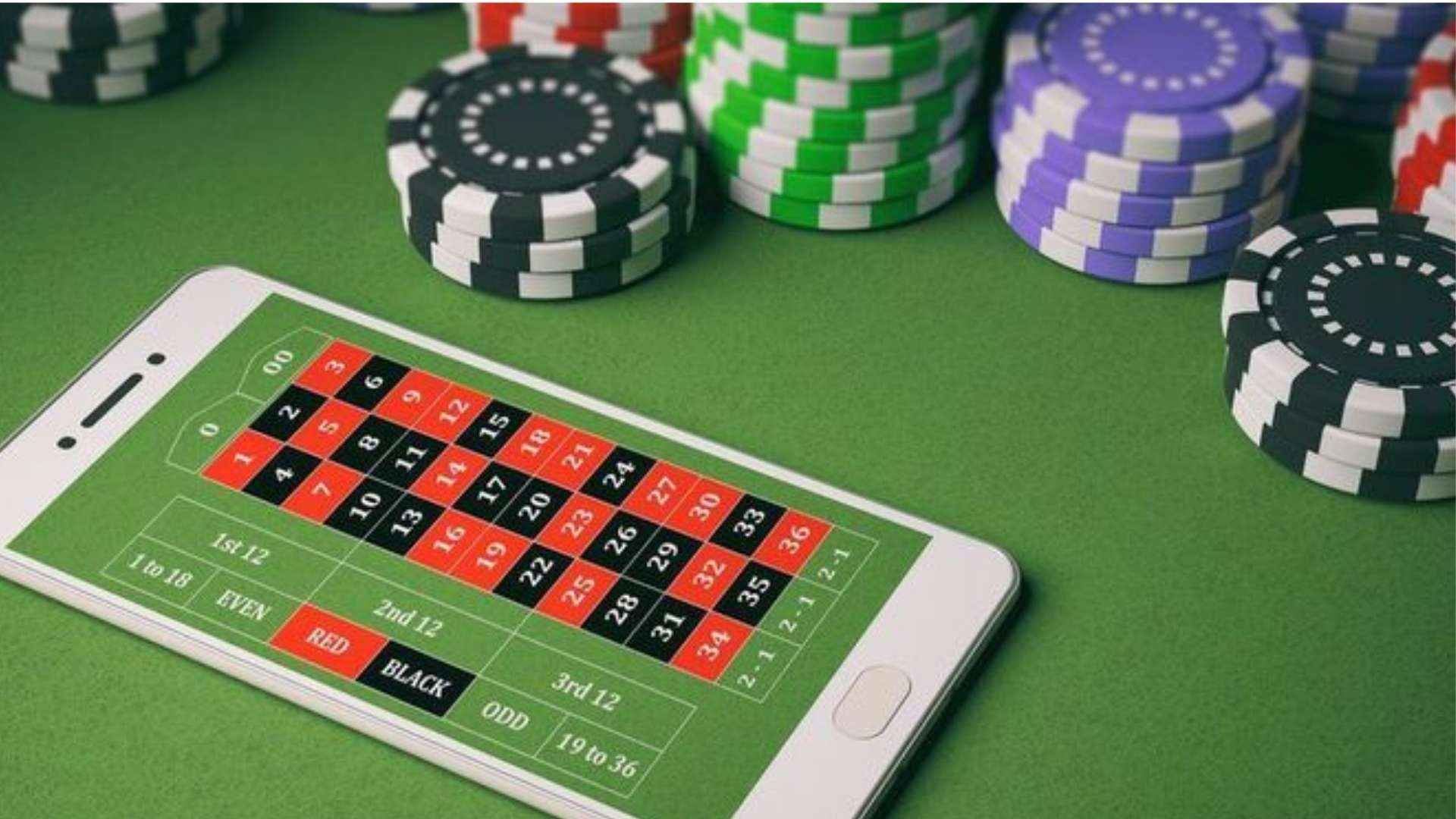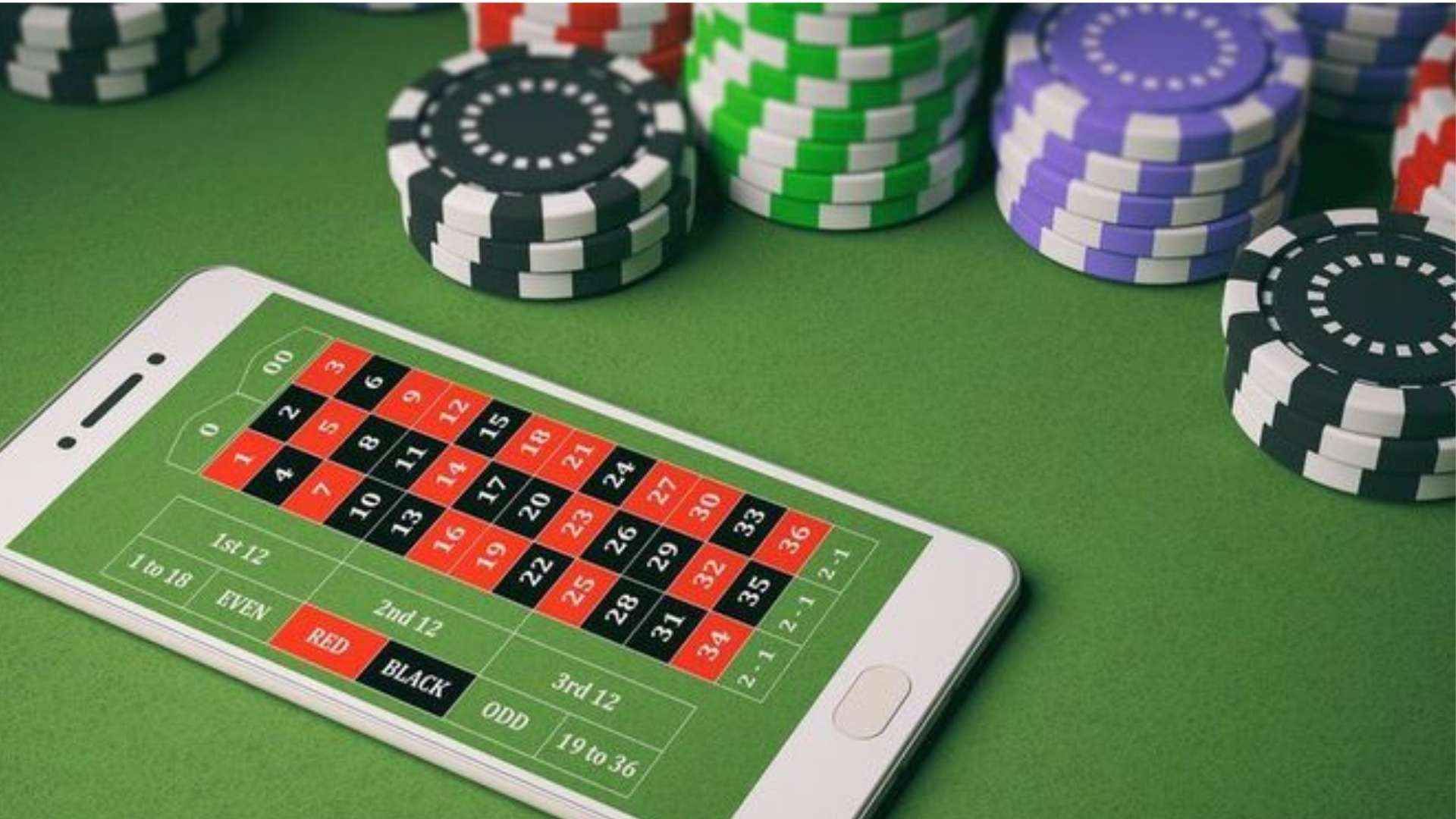
Tournament poker is a unique test of endurance where losing your entire stack means instant elimination. Unlike cash games where players can easily rebuy, tournament structures force participants to constantly manage risk to stay alive. Entering survival mode alters how players process risk, evaluate opponents, and handle pressure as the tournament progresses toward critical payout thresholds.
The Cognitive Shift During High-Stakes Pressure
When chip stacks shrink and blinds rise, the human brain naturally enters a heightened state of defense. Players often experience increased risk aversion, causing them to hesitate on marginal spots that they would normally exploit. This mental shift occurs because the perceived value of keeping existing chips outweighs the potential gain of accumulating new ones.
Understanding this psychological boundary helps competitors recognize when anxiety begins to dictate their strategy. Rather than making calculated mathematical decisions, short-stacked players often succumb to fear-driven passive play. Recognizing these mental patterns is essential for maintaining control during critical late-stage phases.
Navigating the Fear of Elimination
The threat of busting out introduces intense emotional strain that can cloud rational judgment. As the tournament bubble approaches, survival instincts often kick into overdrive, leading players to fold hands with positive expected value. This phenomenon creates distinct opportunities for aggressive opponents who exploit the passive tendencies of survival-focused players.
Many tournament enthusiasts study live dynamics and platform structures using resources like m88 ทางเข้า to better understand how player behaviors change under varying tournament conditions. Learning to suppress the instinctive impulse to fold every hand allows disciplined competitors to maintain strategic aggression. Controlling this internal conflict separates successful tournament strategists from casual participants.
Balancing Preservation with Necessary Aggression
While protecting a short stack is important, adopting an overly defensive posture almost guarantees a slow bleed toward elimination. Successful players understand that survival requires timely, calculated aggression to steal blinds and antes. By identifying passive opponents who are also in survival mode, short stacks can accumulate vital chips without facing showdowns.
This delicate balance requires continuous evaluation of table dynamics and opponent stack sizes. Calculating risk accurately ensures that aggressive moves are made with maximum fold equity. Transforming survival instincts into strategic pressure keeps a player competitive even under dire conditions.
Overcoming Cognitive Fatigue in Long Tournaments
Enduring long hours of intense concentration inevitably leads to mental fatigue, which exacerbates fear and emotional decision-making. When exhaustion sets in, the brain defaults to simple, low-effort choices, making players even more prone to passive survival tactics. Maintaining focus during late stages demands physical conditioning and strict mental routines.
Developing resilience against cognitive drain allows players to keep making sharp, value-driven decisions when opponents begin to falter. Taking deep breaths, staying hydrated, and focusing solely on decision quality helps sustain peak cognitive performance. Ultimately, mastering survival mode in tournament poker comes down to governing your mind while remaining tactically relentless.