The history of table games reveals a profound shift in how individuals engage with game mechanics and community structures. Long before modern entertainment platforms streamlined corporate operations, early gaming houses relied heavily on direct human choices and shared responsibility. Exploring this dynamic provides unique insights into how modern leisure activities emerged from traditional European salons.
The Shared Dynamics of Early Gaming Salons
In historic gambling spaces, the boundary between the house and the players was often fluid and participatory. Instead of a centralized corporate entity managing all active wagers, table formats like early baccarat required participants to take turns holding the bank. This shared financial exposure created an intense atmosphere where personal accountability and strategic observation dictated the flow of play.
Seating arrangements and physical layout also directly impacted how participants processed data and calculated risks during a live match. Because every round required active psychological assessment, players had to stay vigilant about table habits and shifting capital pools. This deep community engagement turned traditional card matches into highly interactive social contests rather than solitary betting activities.
How Automated Systems Reshaped Table Engagement
The transition toward industrialized casino floors during the twentieth century significantly changed the nature of player involvement. Professional dealers and automated systems slowly assumed the operational duties that were once managed entirely by the patrons. While this standardization dramatically increased game speed and transaction velocity, it also altered the complex interpersonal dynamics that originally defined table culture.
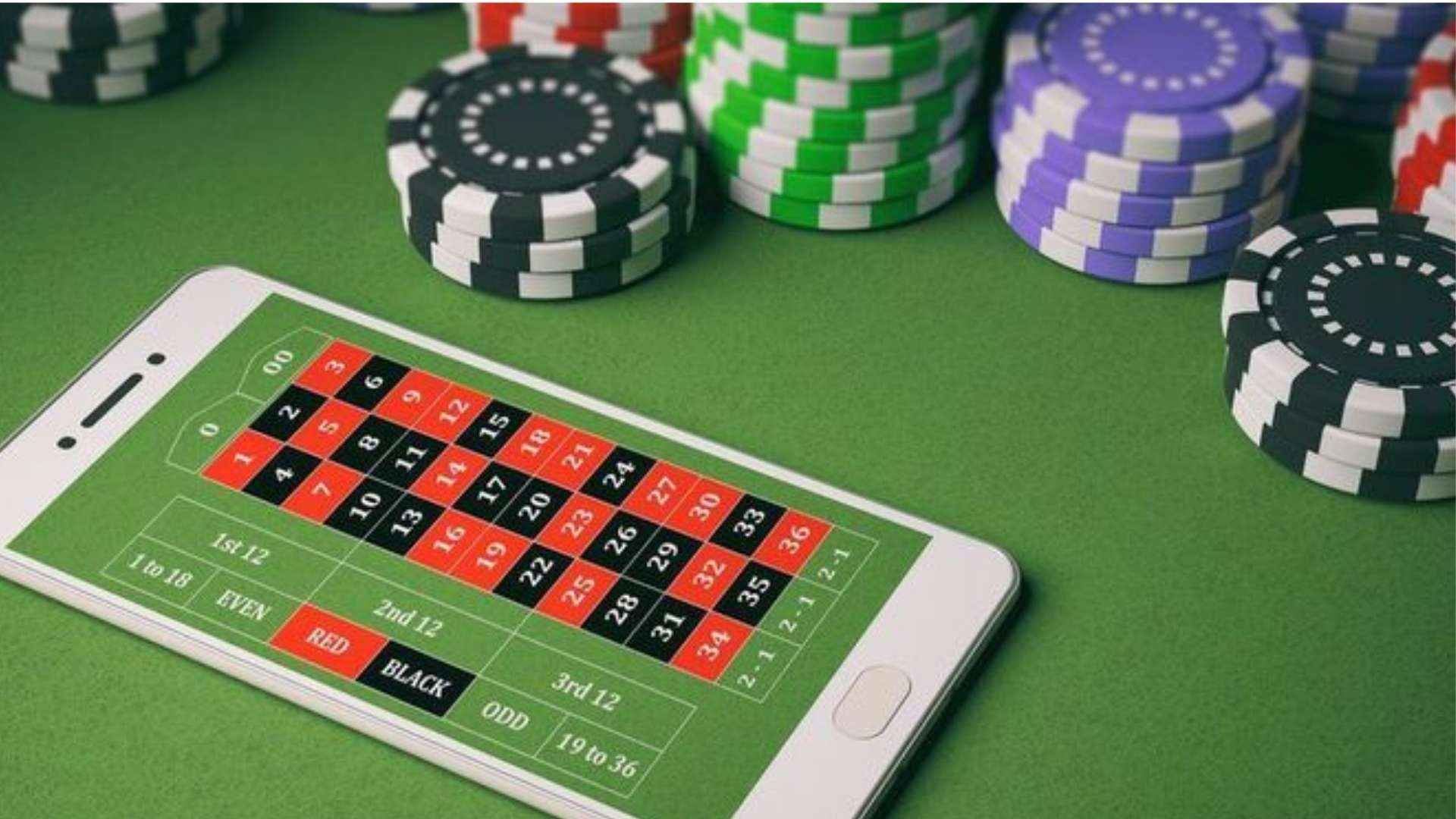
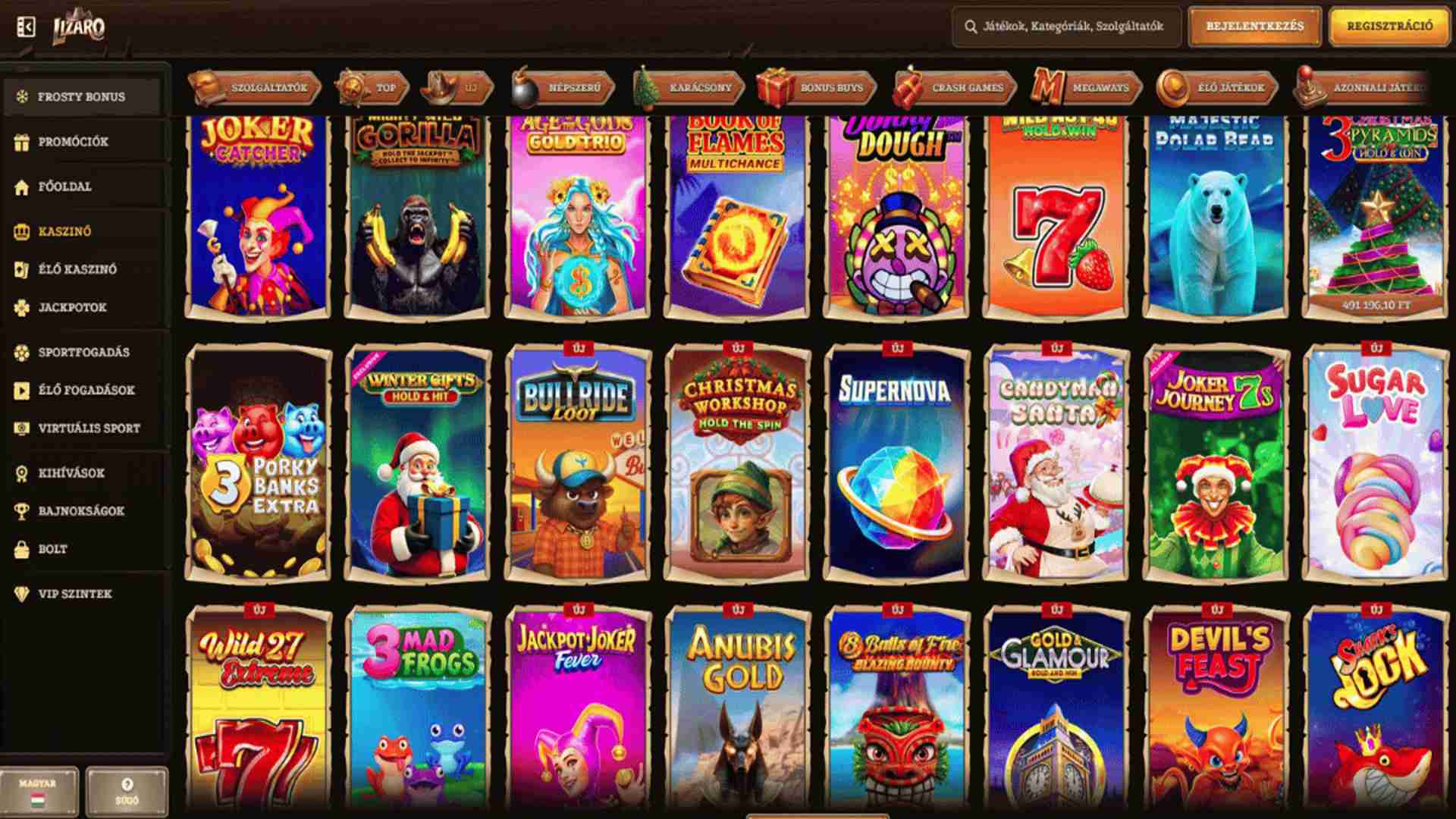
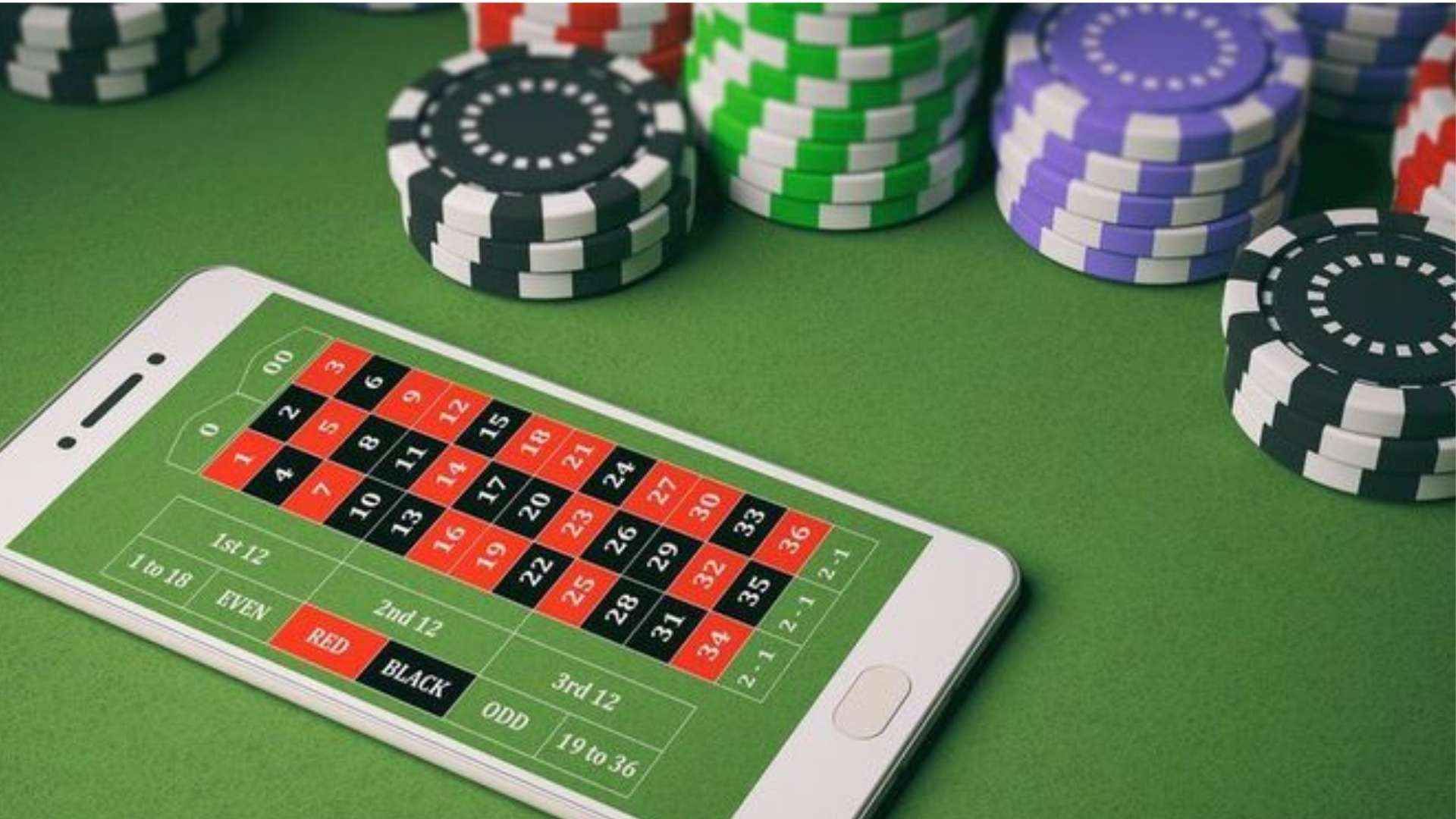
Modern variants now present table activities as streamlined games of chance where participants focus primarily on binary choices. Enthusiasts looking to study contemporary versions of these historical formats can use an m88 login to explore a wide selection of active digital tables. This contemporary transition maintains the core card values while using computerized systems to regulate table rules instantly.
The Balancing Act Between Automation and Interaction
Today, the global gaming landscape continues to balance mechanical efficiency with the timeless appeal of live human interaction. Live dealer platforms and virtual reality environments are increasingly designed to replicate the community feel of older gaming halls. By blending instant digital calculations with real-time visual streaming, these systems try to restore the social bonds that automation minimized.
Understanding this historical trajectory allows modern table enthusiasts to build a much deeper appreciation for contemporary platform designs. While the tools of engagement have shifted from physical salon layout choices to interactive screen elements, the underlying desire for strategic participation remains unchanged. Recognizing these ancestral rules helps players navigate modern gaming trends with a more balanced and informed perspective.