Roulette stands as one of the most iconic table games in the casino world, drawing players with its spinning wheel and straightforward gameplay mechanics. Navigating the table for the first time can feel overwhelming, but the core objective remains remarkably simple: predicting where the small ivory-style ball will come to rest. Learning the basic flow of play helps newcomers approach the table with confidence and clear expectations.
Understanding the Wheel and Table Layout
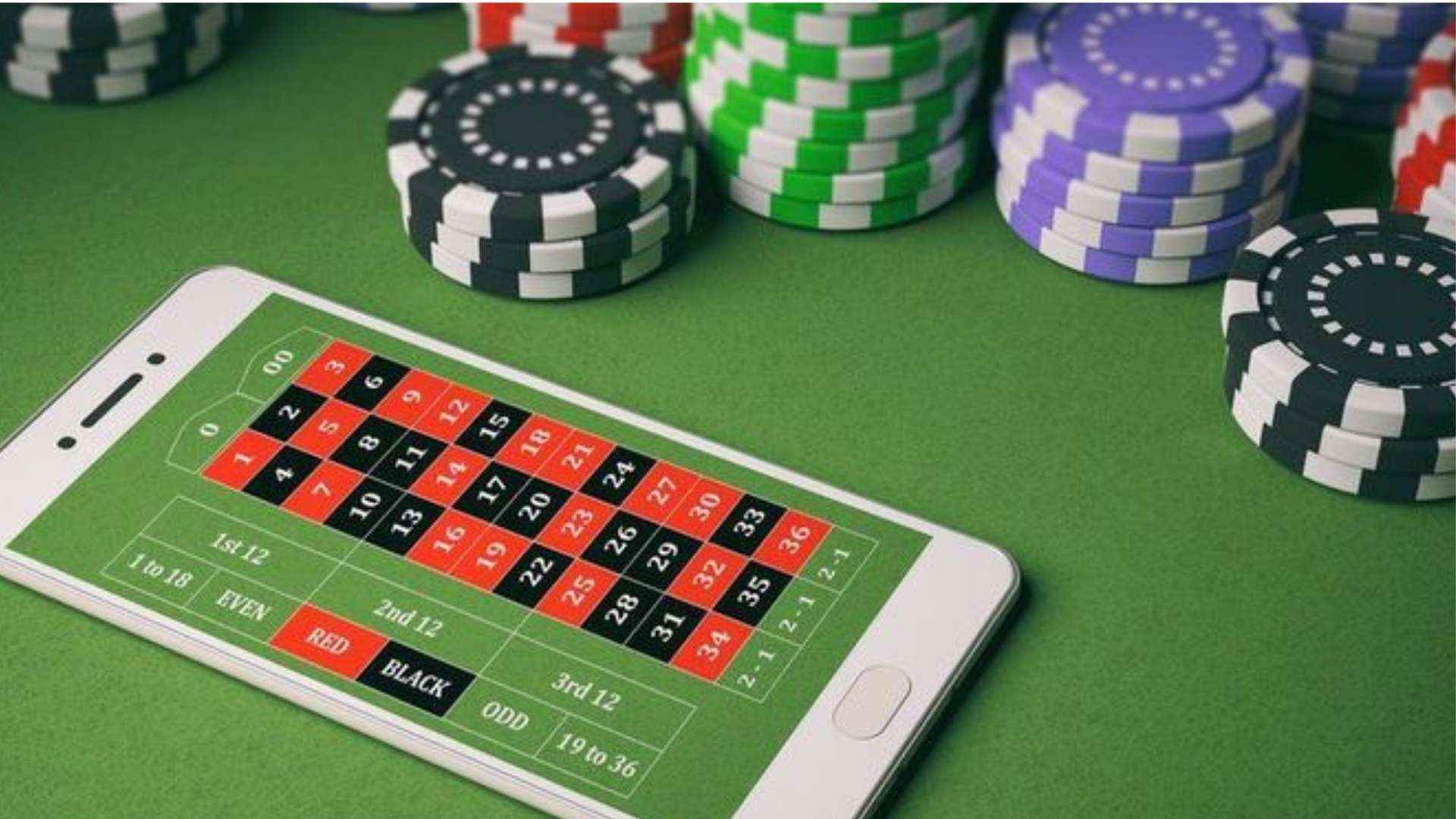
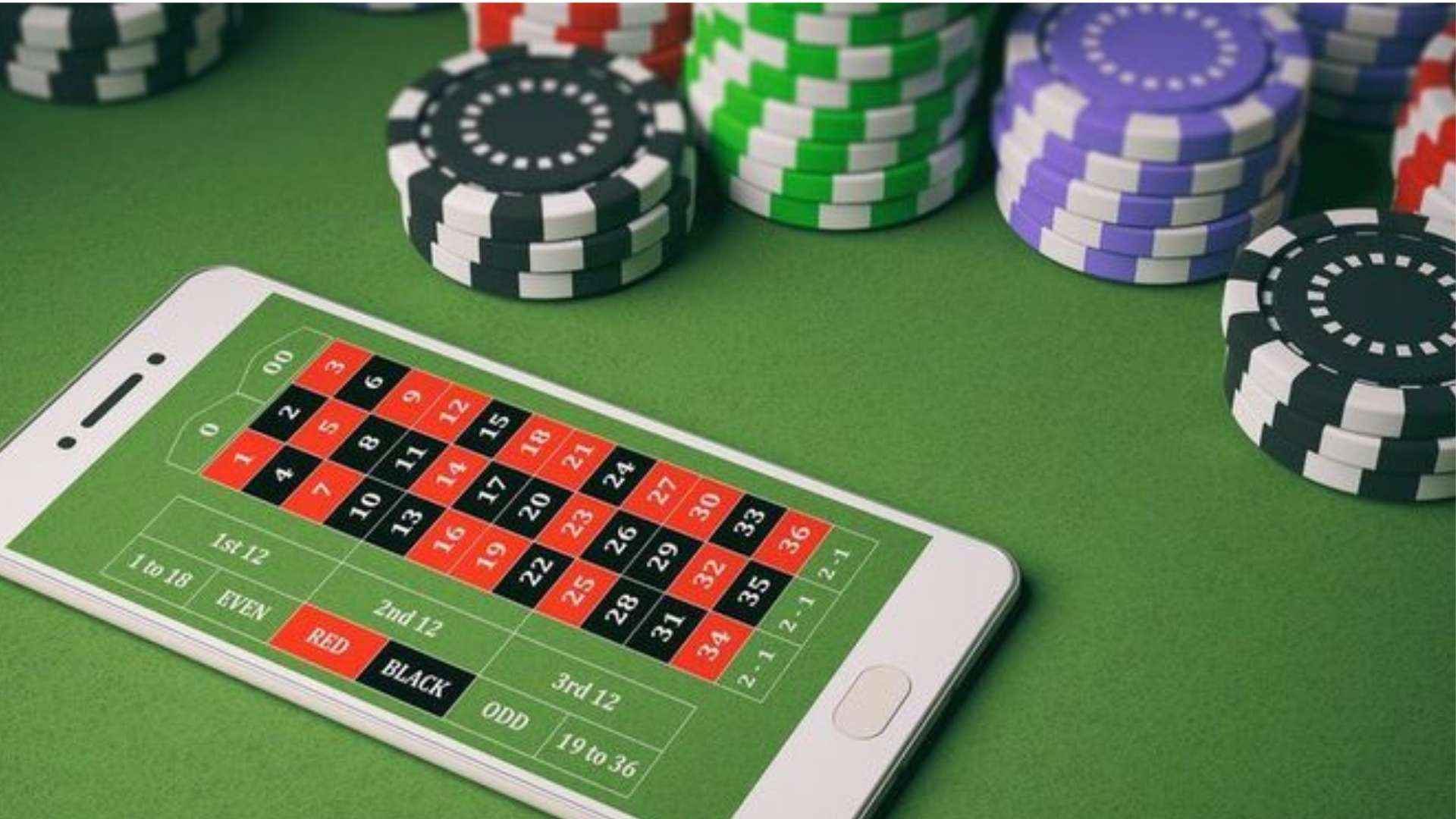
The roulette setup features a numbered wheel alongside a betting grid that mirrors all available wagering choices. Standard wheels contain numbers ranging from 1 to 36, alternating between red and black pockets, along with one or two green zero pockets. European variants utilize a single green zero, while American tables include both a single zero and a double zero pocket.
The grid allows players to place chips directly on specific numbers or on broader categories surrounding the main layout. Understanding this physical layout makes it much easier to decide which types of bets align with your overall playing approach. Familiarity with the wheel's design also clarifies how different versions alter the house margin.
Distinguishing Between Inside and Outside Bets
Wagers in roulette fall into two primary classifications known as inside bets and outside bets depending on their location on the table grid. Inside bets involve placing chips on specific individual numbers or small groups of adjacent numbers. While these options offer higher payout rates, they carry a significantly lower probability of winning on any given spin.
Outside bets focus on larger groupings such as red or black, odd or even, and high or low number ranges. These options provide lower payouts but significantly higher chances of success, making them ideal for beginners seeking steady engagement. Many enthusiasts research diverse platforms like m88 link to compare how different table games structure their rules and betting limits globally.
The Flow of a Standard Betting Round
A typical round begins when the dealer announces that wagers are open, allowing participants to place their chips on the table layout. The dealer then spins the wheel in one direction and launches the ball in the opposite direction along the outer track. Players may continue placing or adjusting their bets until the dealer officially signals that no further bets are permitted.
Once the ball drops into a numbered pocket, the dealer places a marker on the winning number on the table layout. Losing chips are cleared first before winning wagers receive their corresponding payouts according to established odds. Once all payouts are finalized, a brand-new round begins immediately.
Managing Expectations and Table Etiquette
While roulette is purely a game of chance where previous spins do not influence future outcomes, adhering to proper etiquette ensures a smooth experience for everyone. Always respect the dealer's signals regarding when to place or stop placing chips on the felt. Keeping track of your colored chips also prevents unnecessary confusion during fast-paced payout procedures.
Approaching the game with realistic expectations allows players to enjoy the entertainment value without unnecessary financial stress. Setting clear budgets before joining a table ensures a balanced and controlled gaming session. Observing a few rounds before placing your first wager remains a smart way to get comfortable with the rhythm of the game.